January 21, 2016 | Mike Pumphrey

When the owner of 80 California nursing homes last week purchased 18,000 Powerball tickets for his employees and residents and one nurse believed she had won, that owner easily could have been named a leader in improving the lives of his worker.
As it turns out, the nurse’s son had played a prank on her, and she did not in fact win the record-breaking Powerball jackpot. That doesn’t negate the owner’s efforts to provide his employees with an enhanced standard of living, but given the extremely slim chances of actually taking home the entire Powerball winnings—one in 292.2 million in 2015, according to the Multi-State Lottery Association—perhaps senior living providers should consider more tangible solutions to make frontline workers’ lives better overall.
Improving employee satisfaction doesn’t have to mean giving them $1.5 billion. It can be as simple as paying attention to their wants and needs.
There are a variety of reasons people leave their jobs, but certain factors consistently contribute to such a decision. A poor balance between someone’s home and work life, for one, stands as a top reason that people vacate their posts. High stress levels and inflexible scheduling prompt workers to leave a company, as well.
While there isn’t necessarily a hard and fast solution to guaranteeing a completely content and satisfied workforce, changes to staff policies can make a significant difference.
There’s no question that consistent scheduling is key to effective business operations, and staff members surely value having steady hours. However, scheduling changes must be communicated, and flexibility should be prioritized, a practice made easy through scheduling software.
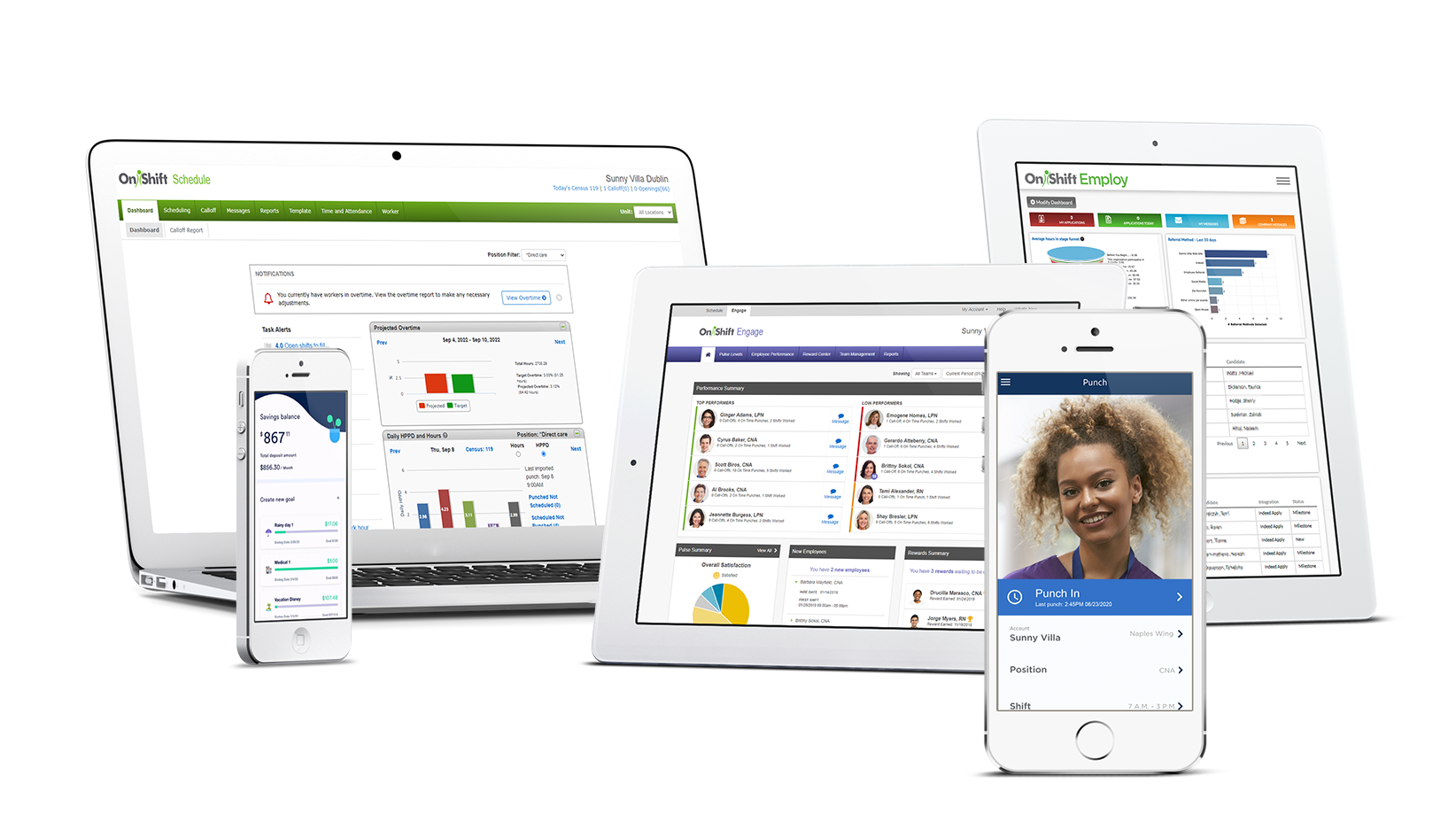
As such, mobile-friendly schedules allow employees to tune in and acknowledge changes while on the go. Accessing hours from a mobile device also gives workers the opportunity to quickly and easily switch or split shifts in the event of an emergency, or pick up shifts without having to track down a physical copy of the schedule. Providers might then consider employing technology that enables scheduling in this manner.
The caregiving profession is undoubtedly stressful by nature, but that doesn’t undermine how fulfilling it can be as a career. Still, ensuring that employees are recognized for the work they’re doing is crucial to maintaining a happy staff.
In a lot of communities, the poor performers and the really outstanding people are visible, and often, the good people who show up and do their job every day aren't recognized at all. From a technology perspective, it would be easy to look at who is coming to work, showing up on time and not calling off and offer some recognition or rewards to those people.
Letting employees know that their time and efforts are valued doesn’t necessarily have to mean spending a lot, either. Acknowledging someone’s achievements can be as simple as a sincere "thank you."
For most caregivers, making sure that they get in a full 40-hour workweek is a top priority. That’s not to say that they don’t want time off—and they surely deserve it, along with other benefits.
To establish employee satisfaction in this regard, providers should reconsider the benefit packages offered to frontline workers. Such an evaluation might involve adding more paid time off, allowing for additional sick days or ramping up health insurance offerings. When workers feel cared for, their performance is sure to reflect it.
As nice as it would be to help improve frontline worker's lives through lottery winnings, such a scenario is highly unlikely. Instead, senior living providers can actively work to make employees’ lives better as a whole by implementing employee-centric policies.
Image courtesy of imagerymajestic at FreeDigitalPhotos.net
See for yourself why thousands of providers rely on OnShift’s innovative software for recruitment, hiring, workforce management, pay and engagement. Request your personalized demo today.