The OnShift Platform
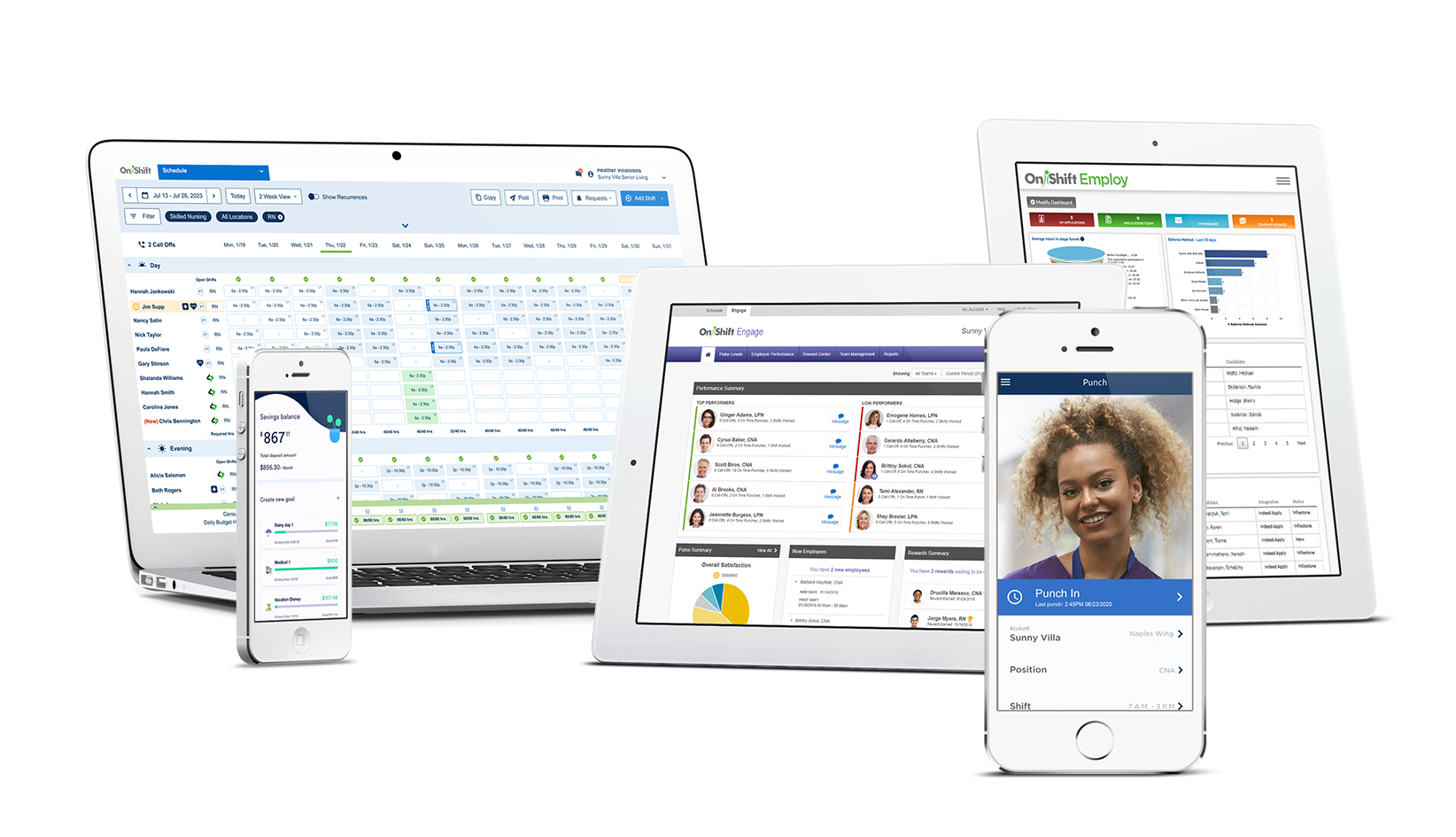
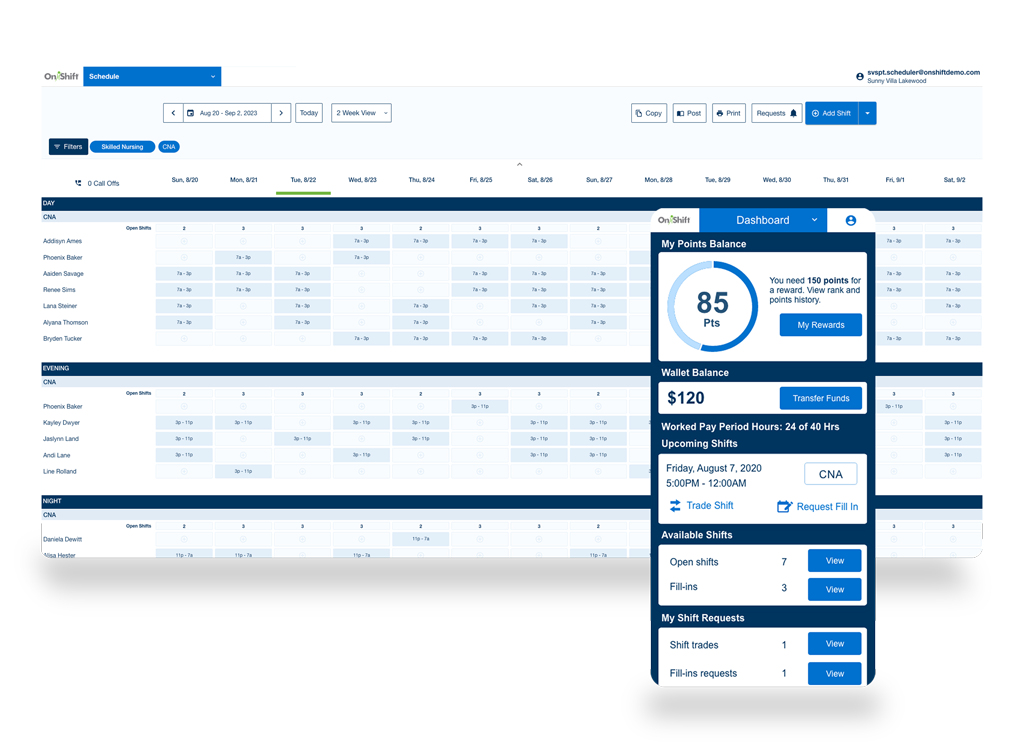
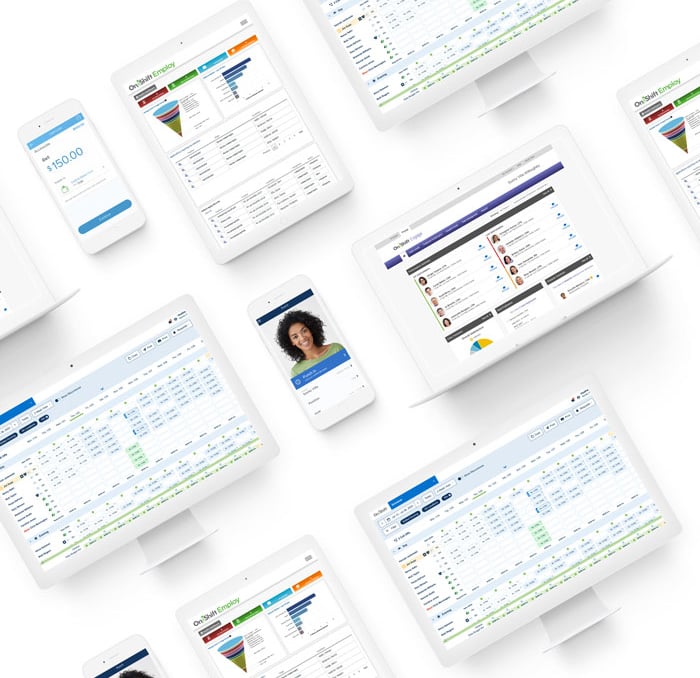
Transform the relationship between your organization and your employees with our next-generation software purpose-built for senior care. Dramatically reduce turnover rates, decrease costs and improve the quality and continuity of care.
Learn More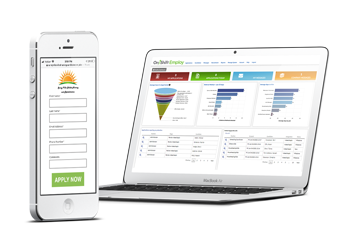
Talent Acquisition
Success starts with having the right people. Gain a competitive edge by being the first to find top candidates and seamlessly manage the entire hiring lifecycle from a robust, easy-to-use talent acquisition software.
Learn More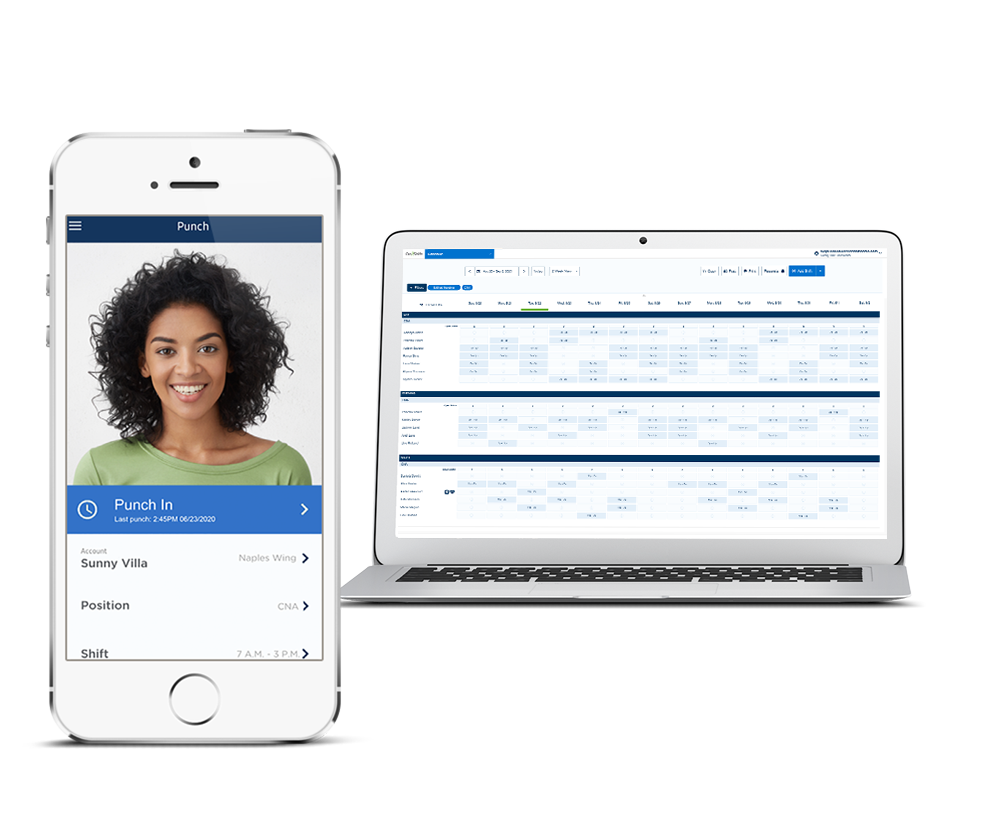
Workforce Management
Staff consistently and decrease excess costs—all while promoting employee work-life balance with our modern solutions for scheduling and time & attendance.
Learn More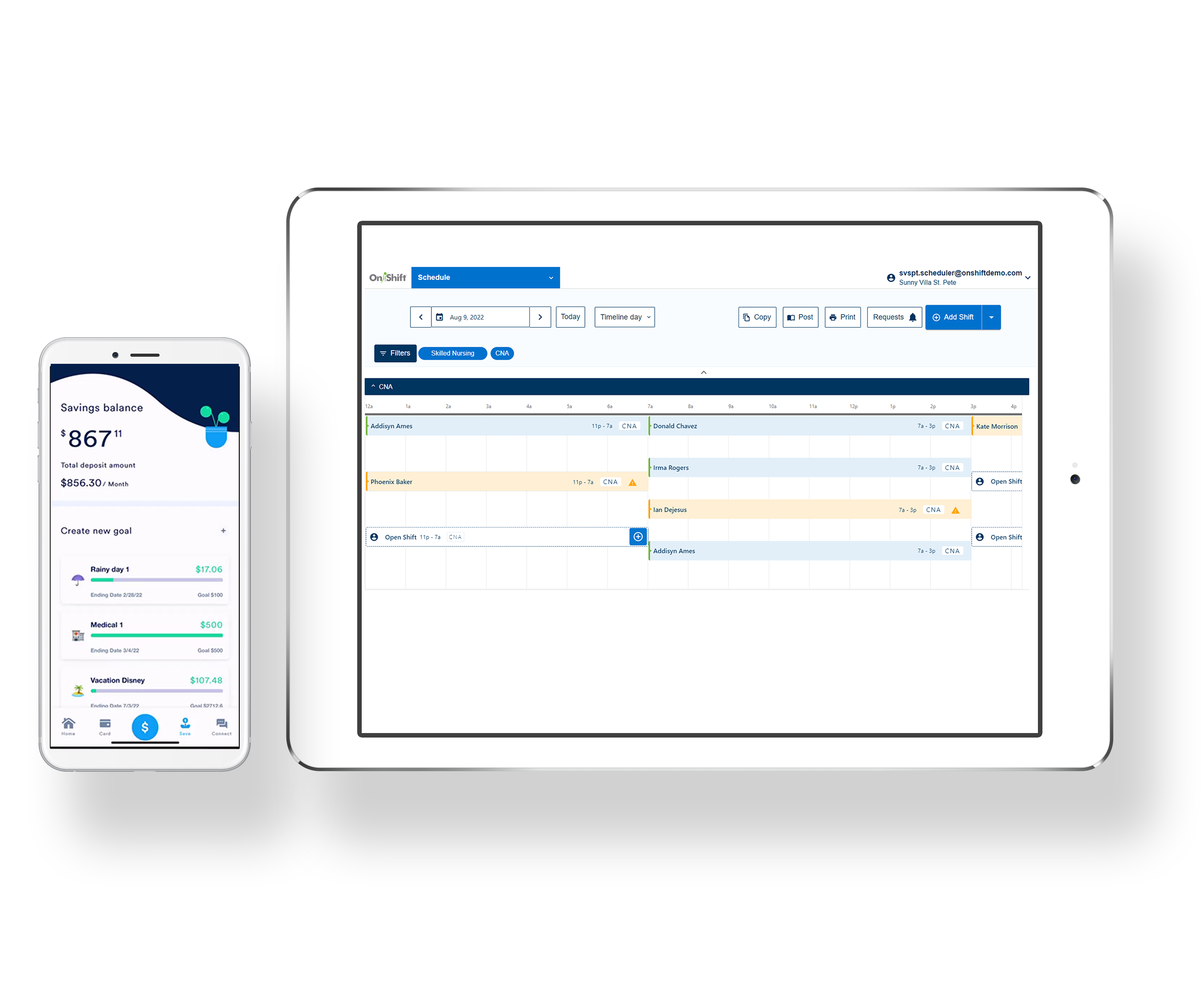
Payroll & HRIS
Maximize value and deliver a great employee experience with best-in-class software and seamless integrations from OnShift’s payroll & HRIS partners.
Learn More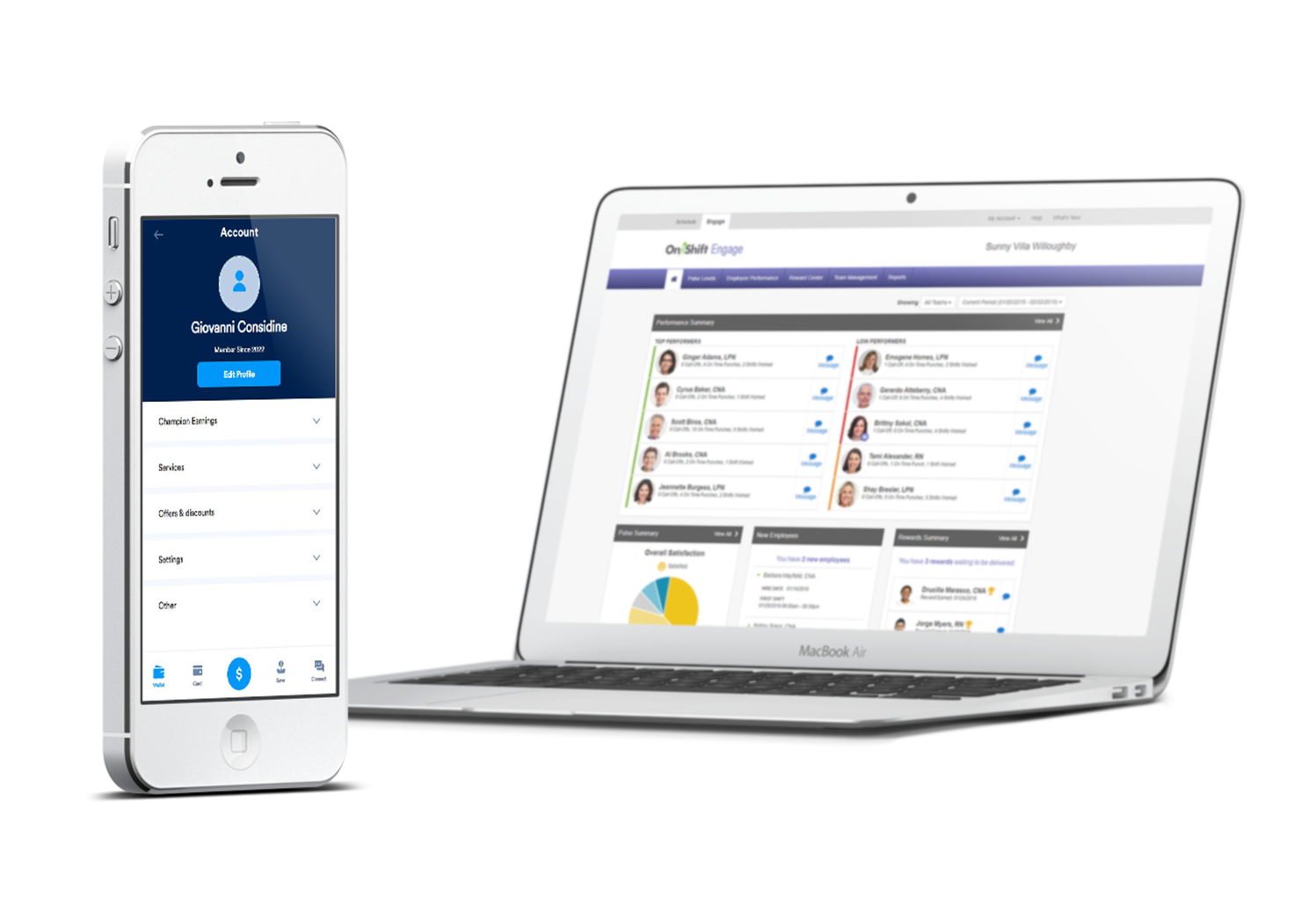
Engagement & Retention
Boost employee engagement and retention with software that focuses on what matters most—your people.
Learn More.png)
Reporting & Compliance
Make informed staffing decisions and ensure you get credit for the care you provide with proactive analytics and solutions that streamline Payroll-Based Journal reporting.
Learn More




.svg)